Joseph Horovitz
26 May 1926 – 9 February 2022
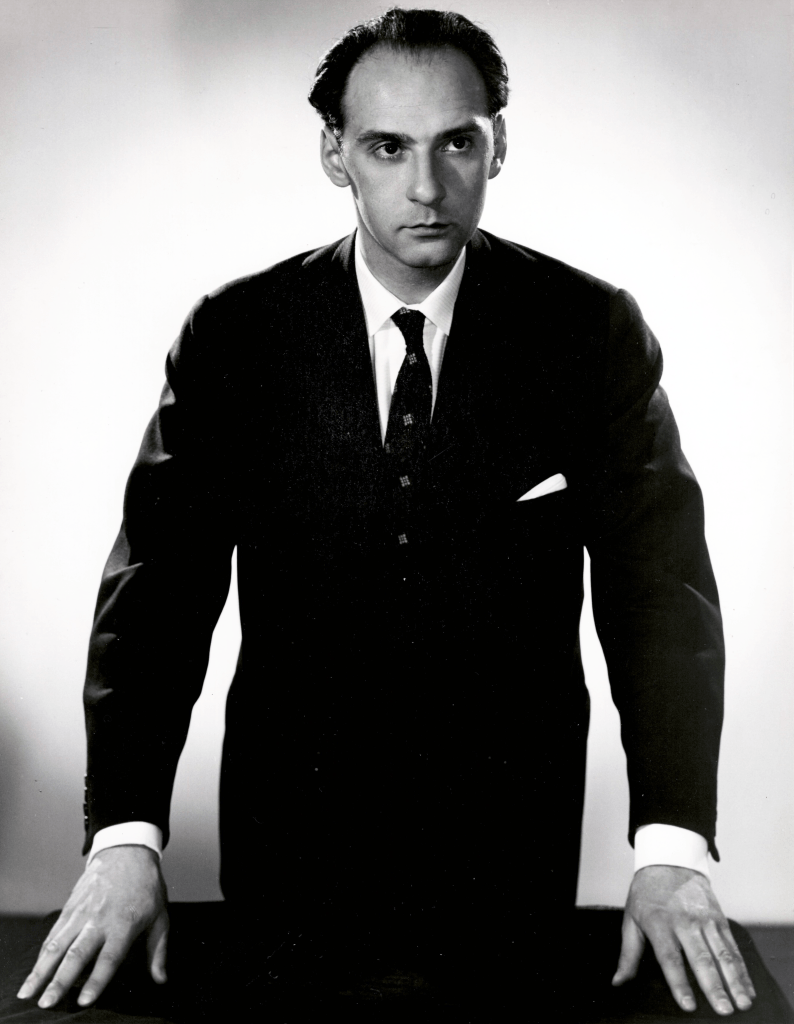
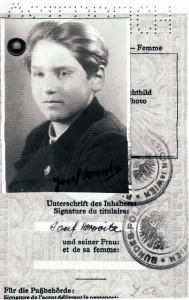
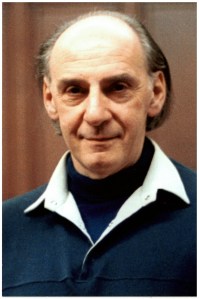
Joseph Horovitz was born in Vienna to Béla, the co-founder of the Phaidon Press, and his wife Lotte. After the Anschluss the family escaped via Italy and Belgium to Britain where after a brief spell in London, they settled in Oxford. Joseph completed his school education at the City of Oxford High School and then went up to New College in 1943 to read modern languages, also studying with the composer Egon Wellesz.
Whilst a student at Oxford he was engaged by the Army Education Corps to teach music appreciation to the troops; he later said that he had found this to be an invaluable experience as it taught him how best to communicate with his audience.
After graduating from Oxford he went on to the Royal College of Music (RCM) for a year: his first study was Composition & Orchestration (his professors included Gordon Jacob), his second study Piano Accompaniment & Conducting.
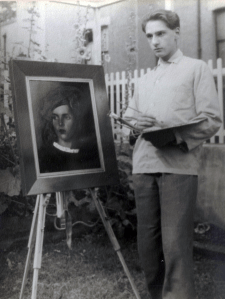
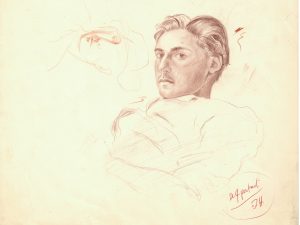
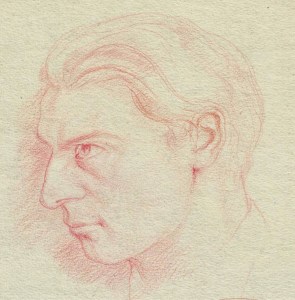
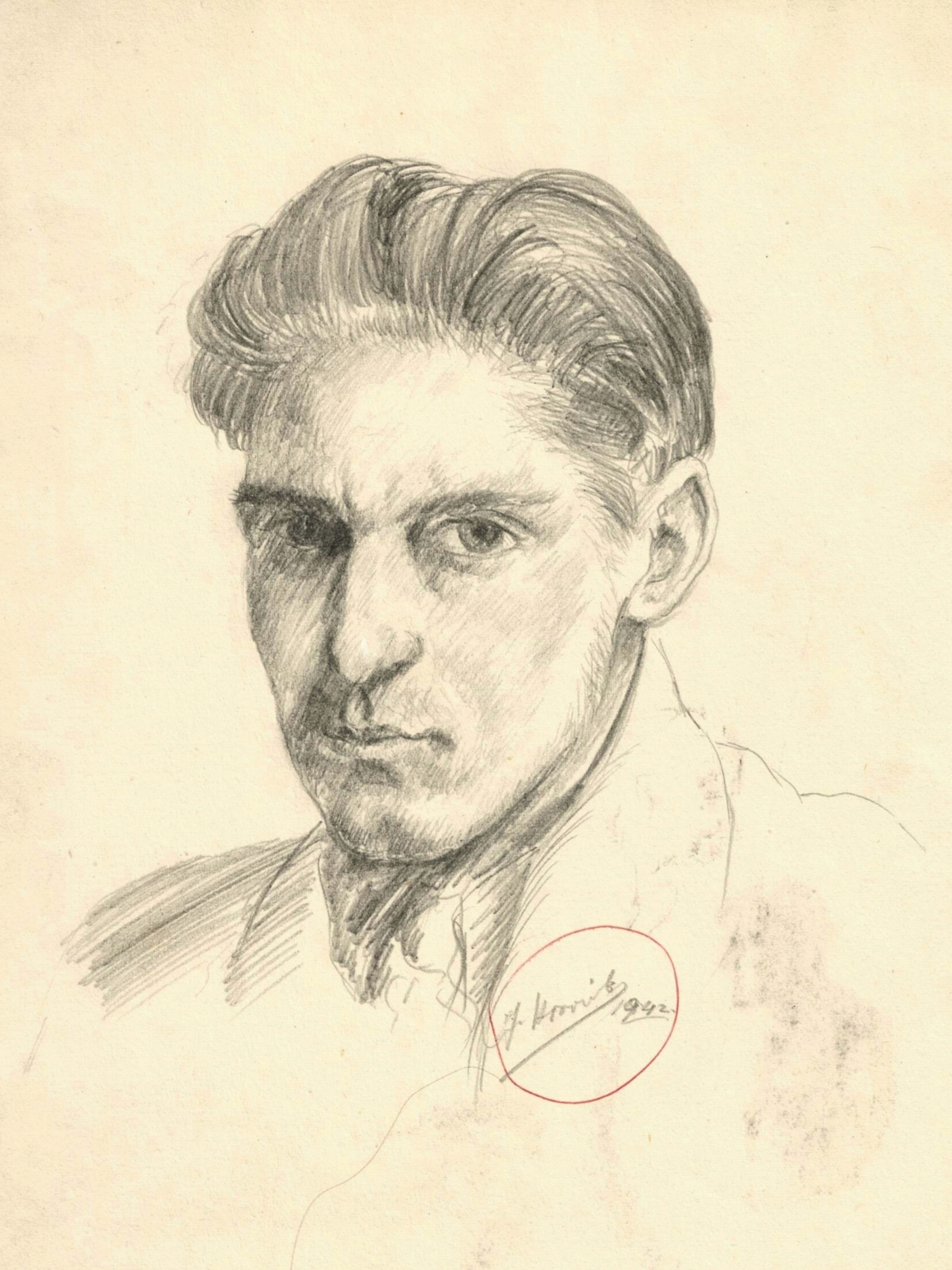
Horovitz then took further study, spending a year in Paris with Nadia Boulanger; in addition to his musical talent he was also a gifted artist and beside his academic studies had taken classes at the Ruskin School, so he was able to finance that year abroad by undertaking several commissions for portraits.
After returning to Britain in 1950, he became music director of the Bristol Old Vic and this began his career in conducting and composing for the theatre. He also conducted the Ballets Russes, and worked with Antony Hopkins at the Intimate Opera Company. During this period he composed various works for the stage, including the ballets Les Femmes d’Algers and Alice in Wonderland, both for London Festival Ballet.
In 1955 while working at Glyndebourne Joe met the journalist Anna Landau. They were married in 1956 and spent their honeymoon in Majorca. Horovitz’s Two Majorcan Pieces for clarinet and piano, the second of which is dedicated to Anna, are based on Spanish folk tunes he heard there.
In the late 1950s he was approached by Gerard Hoffnung to write something for his comic musical events; this he did and after Hoffnung’s untimely death wrote Horrotorio for his memorial concert.
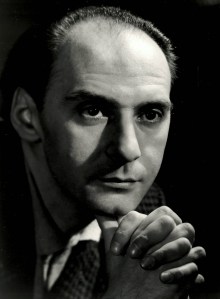
In 1961 he was appointed as a composition professor at the RCM where he would remain for almost sixty years. His students remember him with great affection, partly due to his patience and kindness but also for his curiosity about and interest in a wide range of musical styles and his encouragement of his students to find their own individual compositional voices even if they were very different to his own.
In the 1960s and 70s Horovitz began composing more music for brass, producing many significant works including the Music Hall Suite (1964) and the Euphonium Concerto (1972). He also wrote several more concertos, notably the Jazz Harpsichord Concerto (1965).
A work in a totally different vein is the String Quartet no 5, composed in 1969 for the 60th birthday of the art historian Ernst Gombrich (long-standing author with the Phaidon Press who commissioned the work) and first performed by the Amadeus Quartet. Horovitz said of the deeply personal piece that ‘the emotional content of the music was deeply influenced by the fact that the commissioners, the dedicatee, three of the performers and I, the composer, were all Viennese refugees’ and it is believed to have been his favourite of his own works.
His output also included increasingly more music for film and TV, such as the much-loved themes for Lillie and Rumpole of the Bailey. 1970 also saw the first performance of his popular collaboration with Michael Flanders, the children’s cantata Captain Noah and his Floating Zoo. The work has been performed in several different arrangements and in 1976 was awarded the Ivor Novello Award for Best British Work for Children.
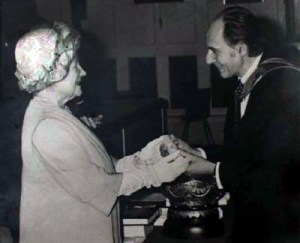
He was recognised by the RCM with a Fellowship in 1981, and an Honorary Doctorate in 2017; other honours included the Commonwealth Medal (1959), the City of Vienna’s Gold Order of Merit (1995) and an Honorary Fellowship of New College Oxford (2019). He was also a council member of the Composers’ Guild of Great Britain and was on the board of the Performing Rights Society for nearly 30 years.
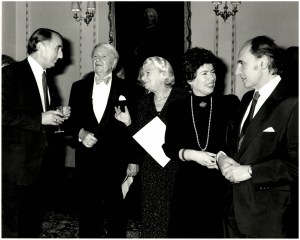
Later works included Ad Astra for concert band, a 1990 RAF commission to commemorate the fiftieth anniversary of the Battle of Britain.
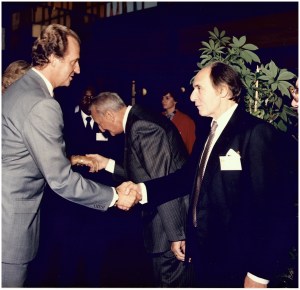
A major achievement in the 1990s was Horovitz’s part in establishing the Composition for Screen course at the RCM. In the words of former director Colin Lawson, ‘Joseph’s wealth of experience – Son et Lumière productions, over 70 scores for TV and film, including several series of Agatha Christie and Dorothy L Sayers mysteries, BBC Shakespeare plays, dramatised documentaries and many TV themes [including those mentioned above] – made his contribution to the RCM’s Composition Faculty, in particular its renowned Composition for Screen course, invaluable’.
In 2011 Joe was the subject of a BBC radio documentary presented by Debbie Wiseman. In it, Joe said ‘If people find, for instance, three minutes of a piece of music of mine which they’d like to hear again, that’s a wonderful thing’.
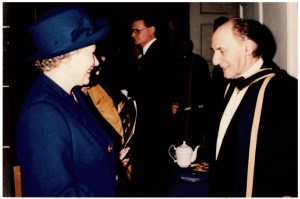
That programme was called ‘No Ordinary Joe’ and its title could not be more apt. Following Joe’s death at the age of 95 on 9 February 2022, the many obituaries and tributes were all quick to mention that besides his prodigious talents, he would be remembered for his courtesy, his charm and his continued enthusiasm for and interest in music and so much more besides.